Jinhua A river-city stay with a distinctive underground day, if the low cave passage suits you.
Jinhua is a good stop for travellers who like an old-city walk anchored by real local food, with the option of a very different second day underground. Around Guzi Cheng, historic buildings, restored streets and the river setting sit close enough to make a relaxed city day. Shuanglong Cave belongs to the mountain area north of town and deserves its own outing.
One full day and two nights works for the city. Add a second full day and a third night for the caves, provided the low-ceiling boat passage is comfortable for your party. Yiwu’s markets and Hengdian’s film sets are different destinations within the wider region, not attractions to squeeze between lunch and a Jinhua evening walk.
A low water passage, limestone formations and an optional wider cave route · North of Jinhua city, separate from the old streets
One day including transfers and queueing · Scenic admission; check transport and additional inclusions
City first, caves as a separate decision
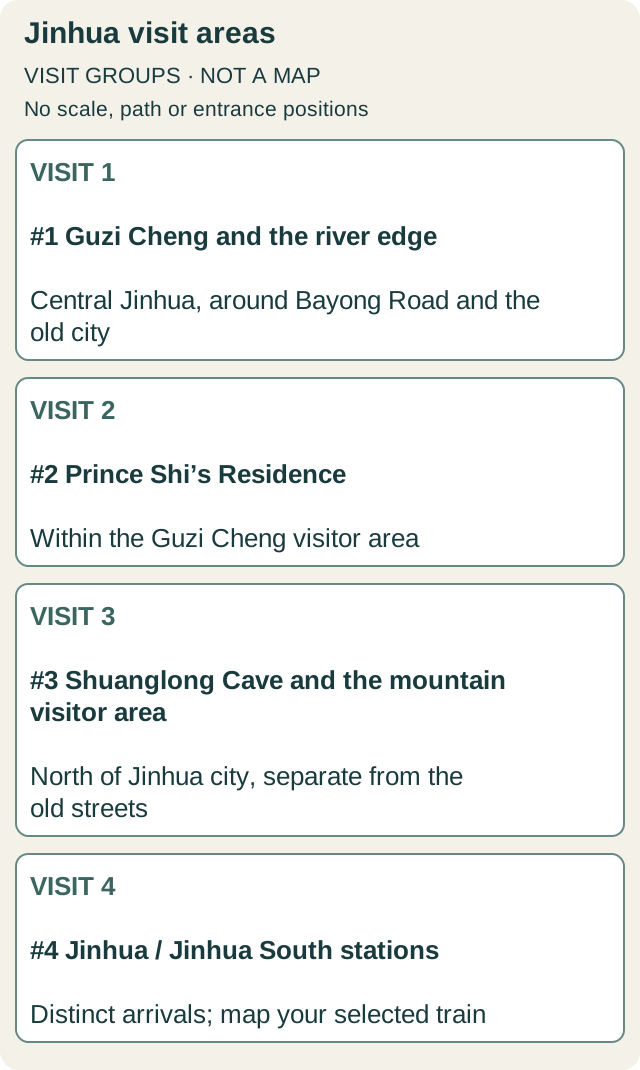
Open full-size map ↗. Central Jinhua, around Bayong Road and the old city. Within the Guzi Cheng visitor area. North of Jinhua city, separate from the old streets. Distinct arrivals; map your selected train. This is an editorial relationship diagram, not a navigation map; box position does not encode distance or an entrance. ChinaMile diagram; location sources. Navigation: search the Chinese name in Amap.
One full day, two nights: Guzi Cheng, an open historic interior and the river edge, with time for lunch and dinner. Two full days, three nights: add a separate Shuanglong day. The cave is the reason to extend the stay, not a compulsory hurdle in a city itinerary.
Choose Yiwu for a purposeful market visit, or Hengdian for film-studio theme attractions and performances. Both require their own transport and site choices. If either is the main goal, choose accommodation around that destination and give it its own day rather than treating the Jinhua city hotel as automatically convenient.
Heavy rain or a temporary cave closure is a reason to keep the city version. Travellers who dislike enclosed spaces can also use a slower two-day city stay, although one full day covers the principal compact route.
Make the evening food walk easy
Central city near Guzi Cheng: the most useful base for this itinerary. Check the walking route to Bayong Road and choose a room away from late-night street noise if needed. A hotel just outside the pedestrian lanes often gives easier luggage and taxi access.
Jinhua station area: useful for a rail-led stay or an early train, provided you accept a transfer to the old city. Jinhua South station area: choose it for a specific arrival or departure, not because both station names sound interchangeable.
Shuanglong mountain area: an option for a slower nature stay or an early cave start, but confirm meals and ground transport before committing. For two full days, keeping one central hotel is simpler. Ask the chosen property to confirm passport check-in and its exact road entrance.
Crispy cakes, ham dishes and a proper seated meal
金华酥饼 Jinhua subing are crisp baked pastries; preserved-vegetable and meat fillings are a traditional version, with sweet and other varieties also sold. Buy a small quantity fresh and ask about the filling rather than assuming every cake is vegetarian.
金华火腿 Jinhua ham is the city’s best-known food ingredient. For a simple meal, look for a cooked ham noodle, rice or egg dish rather than ordering a whole ham product to eat as a snack. Traditional cured ham and ready-to-eat products are different: follow the restaurant or product’s preparation instructions.
Leave one old-city evening for a seated meal and use the cave day for a practical lunch. Street pastries are a good snack, but do not need to replace vegetables, protein and enough water for an active day.
Choose one city day or the two-day cave version
For two adults, two full days and three shared-room nights, use 3R + A + C + S + ¥820–1,160. R is the nightly room quote, A the pair’s arrival and departure transfers, C their actual scenic admissions and S their selected internal scenic transport.
The allowance covers ¥440–600 for food from arrival dinner through departure breakfast, ¥240–360 for local sightseeing travel including the cave journey, and ¥140–200 for drinks and contingency. Replace the transport amount with an actual car quote if needed. Intercity rail, flights, shopping, guides and separate Yiwu or Hengdian outings are excluded.
Example: R = ¥320, A = ¥100, C = ¥160 for two full-price adults under the cited ¥80 guide, and S = ¥80 as an editable transport assumption produces ¥2,120–2,460 for the pair. The ¥80 transport input is not a verified tariff. Recheck ticket eligibility and the full basket before payment.
The city-only one-day, two-night version uses 2R + A + E + ¥440–660, with E the chosen interior admission total. Its allowance is food ¥280–400, local journeys ¥60–120 and contingency ¥100–140. At R = ¥320, A = ¥100 and E = ¥0, the total is ¥1,180–1,400; add actual paid interiors.
A compact old city and a genuinely different second day
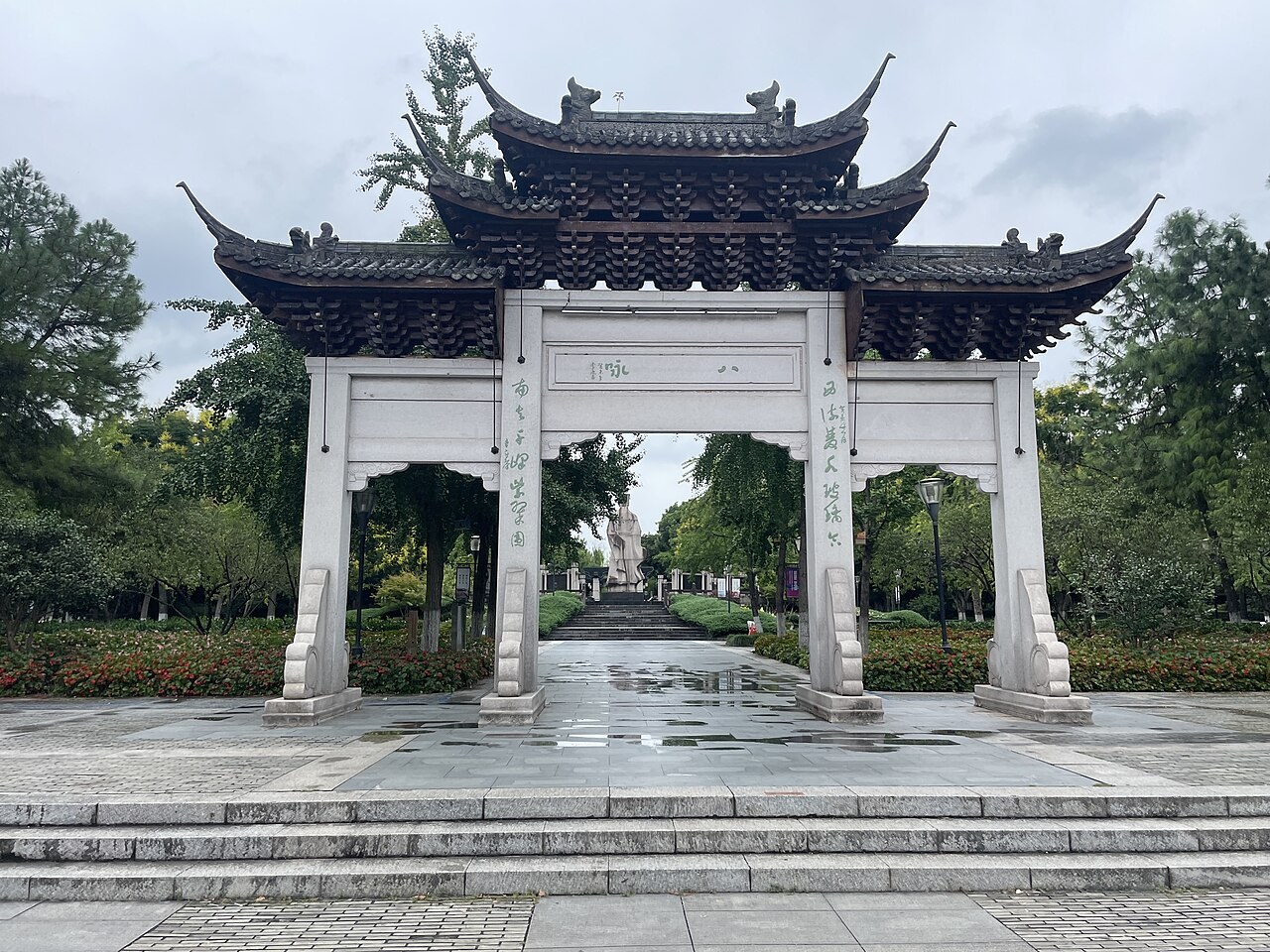
1. Guzi Cheng and the river edge · 古子城 · 婺州古城
Use Bayong Road and the connected lanes as a starting point, rather than chasing every decorated storefront. The area combines historic fabric with restored leisure streets. A morning walk makes the buildings easier to appreciate; return later for a snack or dinner if the atmosphere appeals.
The Bayong Tower area and riverside setting give the route a natural pause. Look at the river and the city’s layers before deciding whether to pay for a particular tower or exhibition. You can have a satisfying visit through street exploration and external views without buying every optional interior ticket.
Hours
Visit buildings in daylight; streets, shops and individual venues have separate hours.
Tickets
No tower or exhibition ticket is assumed for the street route. Check the precise product if adding an interior.
Time
Half a day including a food stop; leave space for a longer meal.
Chinese address
金华市古子城;八咏路;八咏楼
Getting there
Use a pedestrian entrance near 八咏路 and identify a road pickup point outside the lanes.
How to visit
Walk a compact lane-and-river circuit. Optional Bayong Tower or Wanfota access depends on current opening and the product sold; do not mistake an exterior view for included admission.
2. Prince Shi’s Residence · 太平天国侍王府
Choose this compound if you would like a more substantial history visit than a street walk alone. Its connection with the Taiping period gives the city day a different historical focus from a generic rebuilt shopping street.
Make the visit in the earlier part of the day and check which courtyards or exhibitions are open. If it is closed or your party prefers less museum time, retain the old-city route and river walk; the surrounding district still fills a comfortable half day with lunch.
Hours
Check the venue’s same-day notice before entering; do not rely on evening street opening for interior access.
Tickets
Confirm the current entry rule at the venue or through the city’s visitor service. Passport reservation steps have not been tested.
Time
Allow about 1–1.5 hours as an editorial planning estimate.
Chinese address
金华市八咏路;太平天国侍王府
Getting there
Combine with the old-city walk; navigate to the compound’s actual entrance.
How to visit
Choose the open exhibitions you want. Do not enter closed courtyards or assume every historic room is accessible.
3. Shuanglong Cave and the mountain visitor area · 双龙洞 · 双龙风景旅游区
The distinctive moment at Shuanglong is entering the inner cave lying back in a small boat beneath a low rock ceiling. That physical experience matters more to the decision than a list of cave dimensions. Ask the operator about suitability before booking if you have mobility limitations, claustrophobia or cannot comfortably lie flat.
Begin at the scenic visitor centre and follow the current entry and queueing system. Choose a manageable cave route rather than assuming that every attraction in the wider mountain area is adjacent. Other caves, lake areas or shuttle stops can extend the day, but they are optional and must fit the final return.
Hours
The operator’s August 2026 guide lists the Shuanglong Cave area at 08:00–17:10 in April–October and public holidays, and 08:30–16:40 in November–March; current notices override these hours.
Tickets
That guide lists scenic admission at ¥80 per adult. Confirm the product, internal transport costs and any promotion for your actual date before paying.
Time
Allow the day from the city, including transfers, the visitor-centre procedure and queues.
Chinese address
金华市双龙风景旅游区游客中心
Getting there
The operator lists Y3 from Jinhua station and other city routes, but check the current departure and return before travel. A booked return car is an alternative.
How to visit
The operator requests online booking and check-in at the intelligent queueing service station. A passport workflow was not verified: call 0579-82598016 if your document cannot be entered. Check the low boat passage and last return service before proceeding.
Keep the cave day free of a tight departure
Arrival evening · night 1
Check in, eat nearby and confirm the cave booking if using the longer plan. An evening arrival is not counted as a full day.
First full day · night 2
Walk Guzi Cheng in the morning, visit Prince Shi’s Residence if open, and stop for lunch. Use the afternoon for the Bayong area and a short river walk. Return for pastries or a seated dinner rather than rushing to a second city.
Second full day · night 3, for the cave version
Travel to the Shuanglong visitor centre in the morning. Complete the current check-in procedure and use the route that fits your party. Check the downbound shuttle and city return before adding another cave or lake area. Eat back in the city.
Departure morning
Leave from the correct station. For the city-only version, depart after night 2. If cave operation changes, keep the city walk or an indoor visit and adjust the paid booking according to its terms; do not enter a closed route.
Use the exact station and the visitor centre
Jinhua 金华 and Jinhua South 金华南 are separate railway stations. Compare the train actually available on 12306, then map the hotel transfer. Local urban-rail or bus connections depend on the station, time and destination; a taxi is useful for a late arrival or luggage.
For the cave day, the operator’s current guide names city bus connections including Y3 and Y5 and directs drivers to 双龙风景旅游区游客中心. Check the actual boarding stop, day’s service and final city-bound departure before leaving. Do not use an old journey-time estimate as a guarantee.
At the mountain, save the return pickup and the central hotel’s Chinese address. If public transport does not fit, agree a return time and total price with a licensed car service before starting. Keep a sightseeing day between arrival and departure rather than attaching the cave visit to a tight train connection.
Two useful onward directions
Hangzhou adds West Lake and a larger city stay. Quzhou continues west toward a compact historic centre and optional regional landscapes. Check actual rail services and give either destination its own full day.
Separate current cave guidance from older city descriptions
Sources reviewed on . The Shuanglong operator’s August 2026 notice confirms reopening and gives the visitor-centre sequence, regular seasonal hours and ¥80 adult admission guide. Later temporary notices and the actual ticket terms take precedence.
The city tourism page supports the old-city grouping and low boat passage; its older tariffs are not used. Passport booking, hotel check-in and physical accessibility were not field-tested. Day lengths, accommodation choices and budget allowances are editorial planning judgments.